


The rapid growth of electric vehicles, energy storage systems, and consumer electronics has significantly increased the demand for high-performance lithium-ion batteries. As manufacturers strive for higher production capacity and stricter quality standards, environmental control has become one of the most important factors in battery production.
Among all environmental parameters, humidity control plays a decisive role in protecting moisture-sensitive materials and ensuring consistent manufacturing quality. Advanced battery manufacturing dehumidification technologies help reduce production defects, improve cell performance, and increase overall production efficiency.
Why Humidity Control Is Critical in Battery Manufacturing
Lithium battery materials are extremely sensitive to moisture. During electrode preparation, cell assembly, electrolyte filling, and sealing, even trace amounts of water vapor can trigger unwanted chemical reactions.
Excess moisture may lead to:
- Reduced battery capacity
- Shortened cycle life
- Increased internal resistance
- Gas generation inside cells
- Electrolyte contamination
- Safety risks
- Higher defect rates
Maintaining a stable low-humidity production environment is essential for producing safe and reliable batteries.
Common Production Defects Caused by Moisture
Without proper dehumidification, manufacturers may experience several quality issues.
Electrode Material Degradation
Moisture reacts with active materials, affecting electrochemical performance and reducing battery efficiency.
Electrolyte Contamination
Water reacts with electrolyte components, generating harmful by-products that reduce battery stability.
Poor Cell Consistency
Humidity fluctuations can cause variations between cells, making it difficult to achieve uniform battery performance.
Reduced Production Yield
Moisture-related defects often increase scrap rates, rework, and production downtime.
Key Battery Manufacturing Dehumidification Technologies
Modern battery factories rely on multiple technologies to maintain ultra-low humidity throughout the production process.
Desiccant Rotor Dehumidification
Desiccant rotor systems continuously remove moisture from incoming air and maintain stable low dew point conditions, even in regions with high ambient humidity.
This technology is widely recognized as one of the most reliable solutions for battery manufacturing.
Low Dew Point Environmental Control
Many lithium battery production lines require dew points below -40°C, while high-end facilities may operate at -50°C to -60°C depending on the production process.
Stable low dew point control minimizes moisture exposure and protects sensitive materials.
Intelligent Environmental Monitoring
Modern battery plants use intelligent control systems to continuously monitor:
- Dew point
- Relative humidity
- Temperature
- Air pressure
- Airflow
Automatic adjustment ensures stable operating conditions while optimizing energy consumption.
HEPA Air Filtration
Clean air filtration removes airborne particles that could contaminate battery components during assembly.
Benefits of Advanced Battery Manufacturing Dehumidification
Higher Product Quality
Stable environmental conditions improve battery consistency and overall product reliability.
Lower Production Defects
Effective humidity control significantly reduces moisture-related failures during manufacturing.
Increased Manufacturing Efficiency
Reduced downtime and fewer rejected cells improve production throughput.
Better Equipment Protection
Low-humidity environments minimize corrosion and extend equipment service life.
Reduced Operating Costs
Lower scrap rates and improved energy efficiency help manufacturers reduce long-term production costs.
Dryair Battery Manufacturing Dehumidification Solutions
Choosing an experienced environmental control partner is essential for modern battery manufacturers.
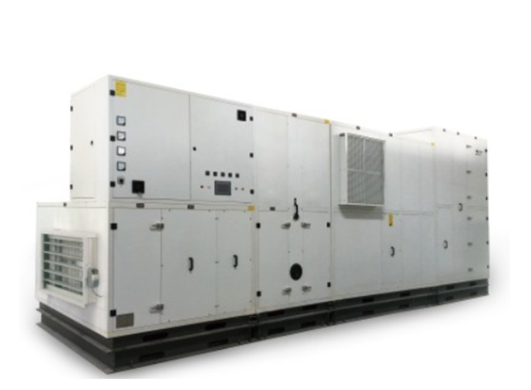
Dryair specializes in battery manufacturing dehumidification systems designed to provide stable low-humidity environments for lithium battery production.
With advanced engineering capabilities and extensive project experience, Dryair delivers customized solutions for battery factories of all sizes.
Why Choose Dryair?
Dryair provides:
- High-performance desiccant rotor dehumidification systems
- Stable ultra-low dew point control
- Intelligent PLC automation and monitoring
- Energy-saving heat recovery technology
- Customized battery dry room engineering
- Reliable 24/7 industrial operation
Whether supporting cylindrical, prismatic, pouch cell, or solid-state battery production, Dryair designs systems that match each customer's production process and environmental requirements.
Applications Throughout Battery Production
Battery manufacturing dehumidification systems are widely used in:
- Electrode coating workshops
- Slitting and calendaring areas
- Cell assembly rooms
- Electrolyte filling stations
- Formation and aging facilities
- Battery material storage rooms
- Quality inspection laboratories
Maintaining consistent humidity across every production stage helps maximize product quality and manufacturing efficiency.
Conclusion
Humidity control has become one of the most important factors in modern lithium battery production. Advanced battery manufacturing dehumidification technologies reduce production defects, protect moisture-sensitive materials, and improve battery consistency.
With customized environmental control solutions from Dryair, manufacturers can build stable, energy-efficient production environments that enhance product quality, reduce operating costs, and strengthen long-term competitiveness.
Post time: Aug-20-2026